20 years of pioneer in xinjiang tourism for overseas travelers
Born Here, Know Best, Your Journey's Blessed
No Shopping. No Detour, 99% Excellent Review

contact UsOn Wechat
.jpg&w=1920&q=85)
What is the Best time to Xinjiang?
The best time to visit Xinjiang is mid-March through early November, when the region offers a diverse range of seasonal highlights—spring blossoms, summer grasslands, and golden autumn forests. For travelers seeking pleasant weather and classic scenery, spring (April to May) offers northern temperatures of 12°C to 25°C and southern highs of 18°C to 30°C—ideal for exploring Kashgar before summer heat arrives. Autumn (September to October) brings crisp air with northern averages of 8°C to 22°C and southern highs around 24°C, perfect for witnessing Ili's golden grasslands and the Tarim River's iconic poplar forests at their most brilliant. These two windows showcase Xinjiang's landscapes at their most captivating.
In fact, Xinjiang is a tourist destination suitable for visiting year-round. Different seasons offer unique experiences. Spring and autumn are the best times to visit, while summer is the peak season for tourism, as it coincides with the summer vacation.
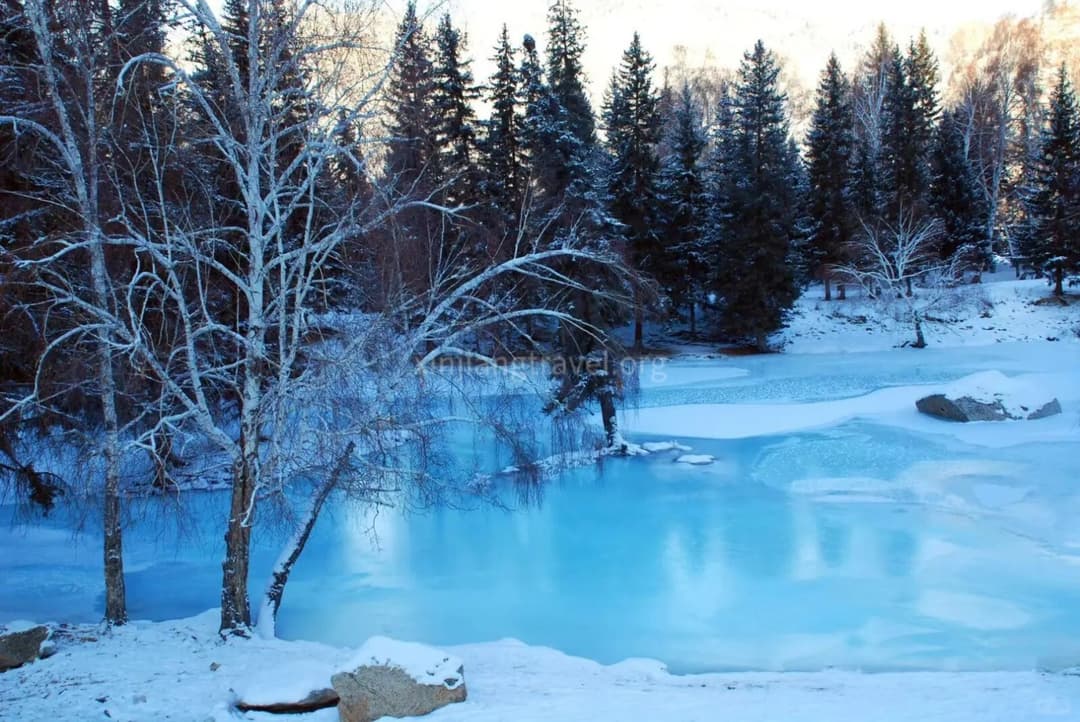
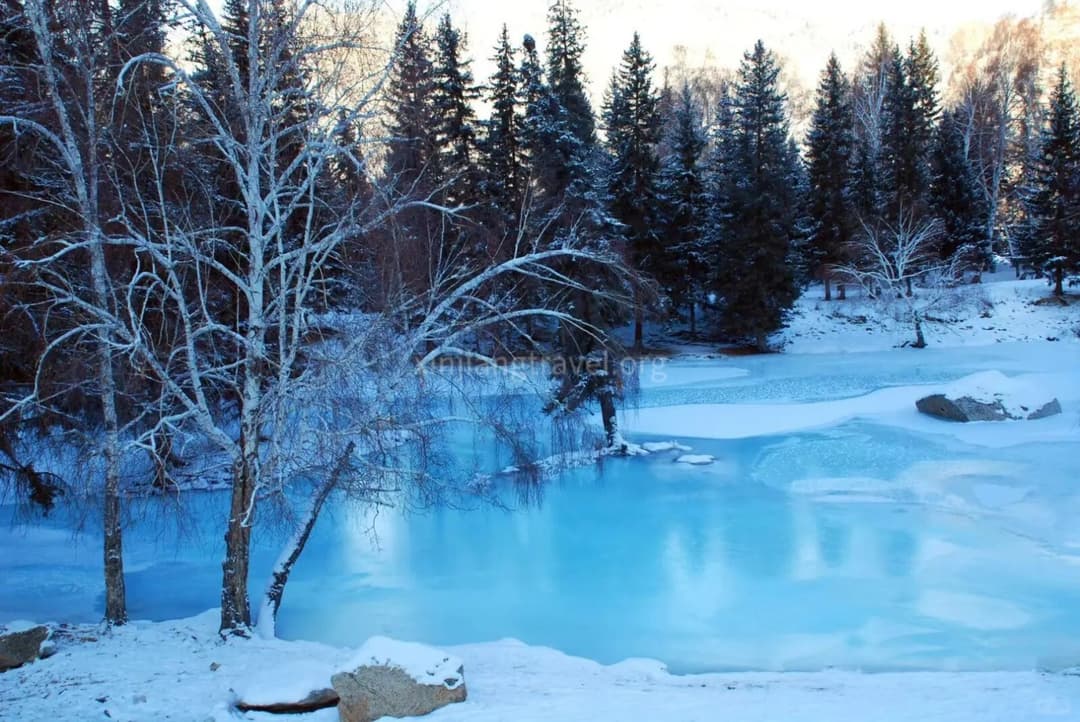
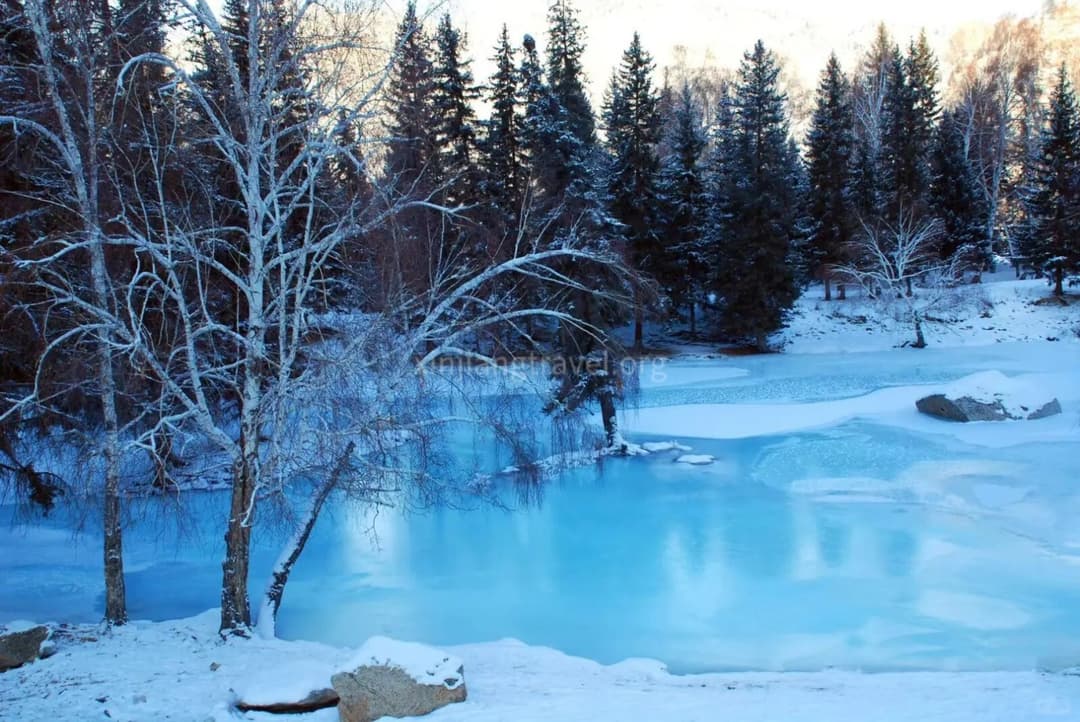
Winter is an excellent time to experience the tranquility of Xinjiang. Not only can you enjoy the thrill of skiing at Jikepulin Ski Resort, but you can also experience the tranquility of Hemu and Sayram Lake.
Here, you will be able to obtain detailed weather information and professional advice about Xinjiang. This information and advice will help you choose the best time to visit Xinjiang for your favorite activities.
Best Time to Visit Xinjiang: From March to November
Xinjiang is vast and offers distinct seasonal landscapes, but generally speaking, spring (mid-March to May) and autumn (September to early November) are the most favorable seasons to explore its beauty. During these periods, the weather is pleasant—free from the intense heat of summer and the biting cold of winter—with relatively low rainfall, making them ideal for outdoor activities and sightseeing. With the advancement of "year-round, all-region tourism" in Xinjiang, summer (June to August) also offers captivating grassland scenery, while seasonal attractions such as the Duku Highway are only open from June to October, providing visitors with a unique experience.
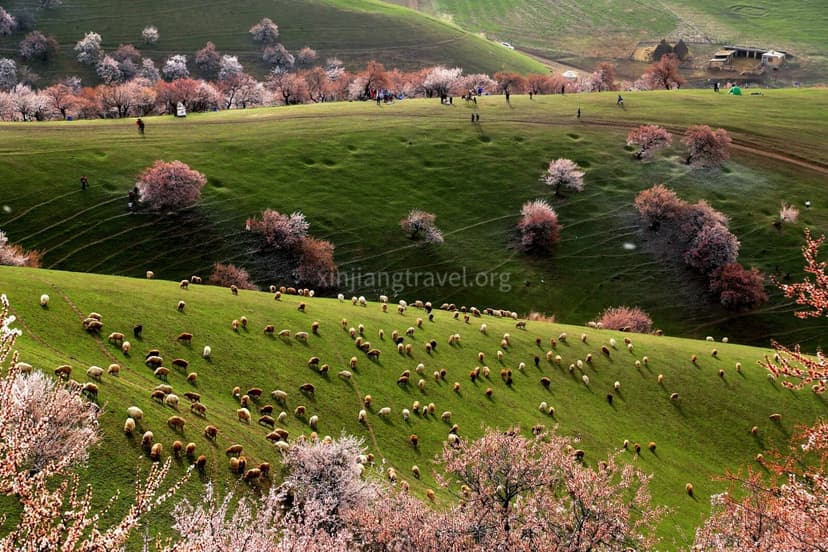
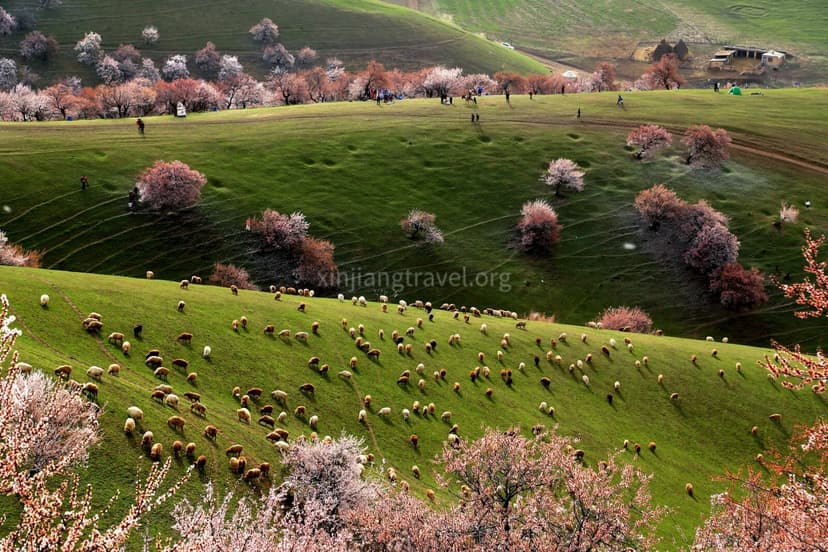
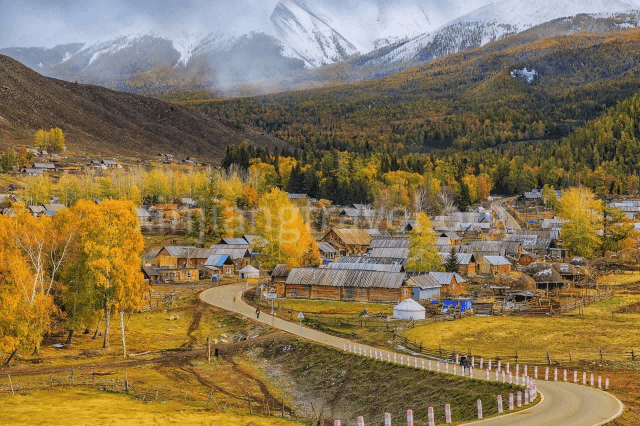
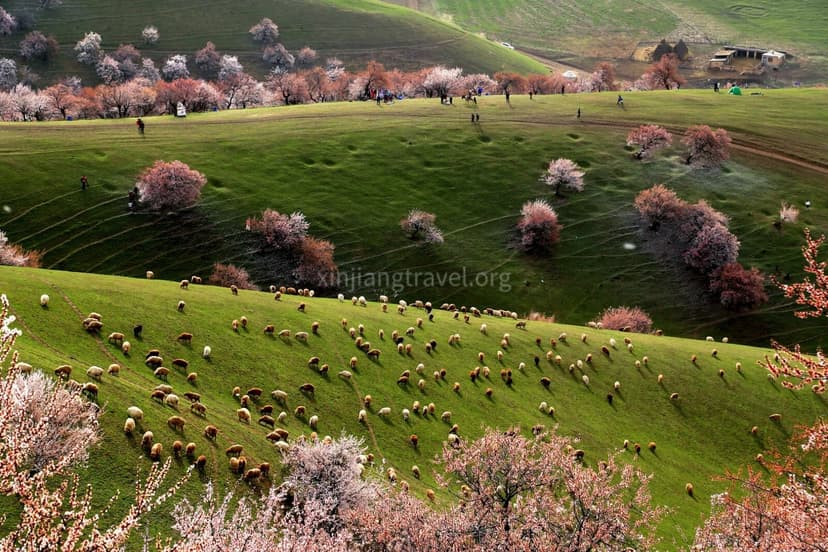
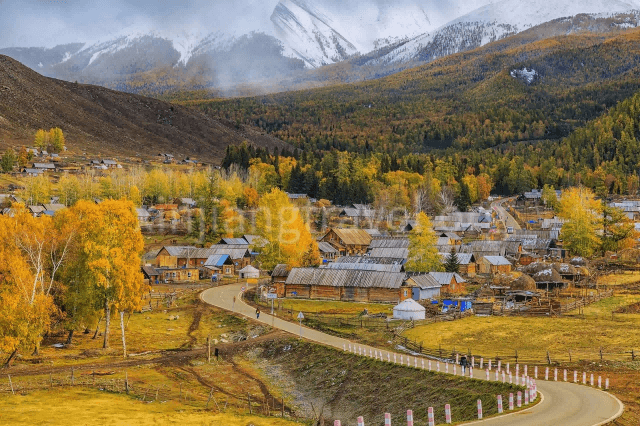
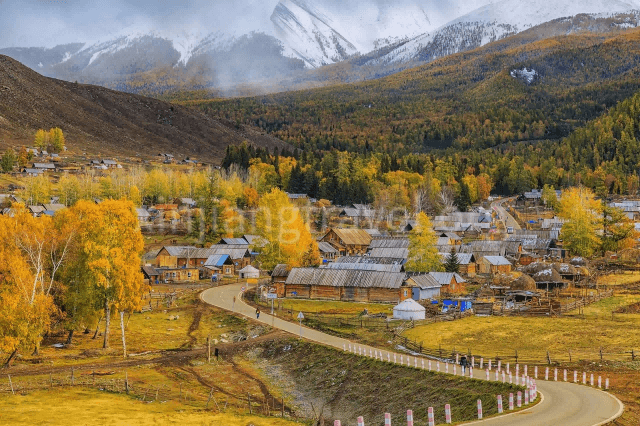
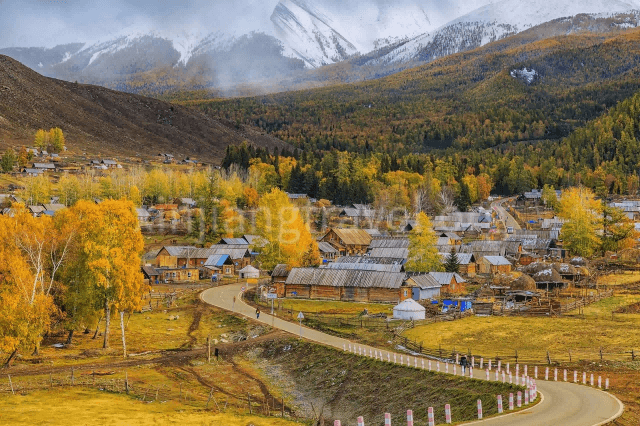
Spring in Xinjiang arrives later, beginning in early April with the blooming of apricot blossoms and lasting until May when the grasslands turn green. Autumn is relatively short yet spectacular, spanning from September to October—the best time to admire the golden poplar forests and vibrant fall colors.
During these months, visitors can enjoy the most breathtaking landscapes Xinjiang has to offer: the blossoming apricot and wildflower fields of spring, the crystal-clear lakes and rolling grasslands of summer, and the golden forests and magnificent poplar groves of autumn. Meanwhile, by avoiding the peak summer travel season, you can also experience a more cost-effective and less crowded journey.
Spring (March – May): From Mountain Blossoms to Verdant Grasslands
Spring arrives in Xinjiang as a slow wave moving from west to east.
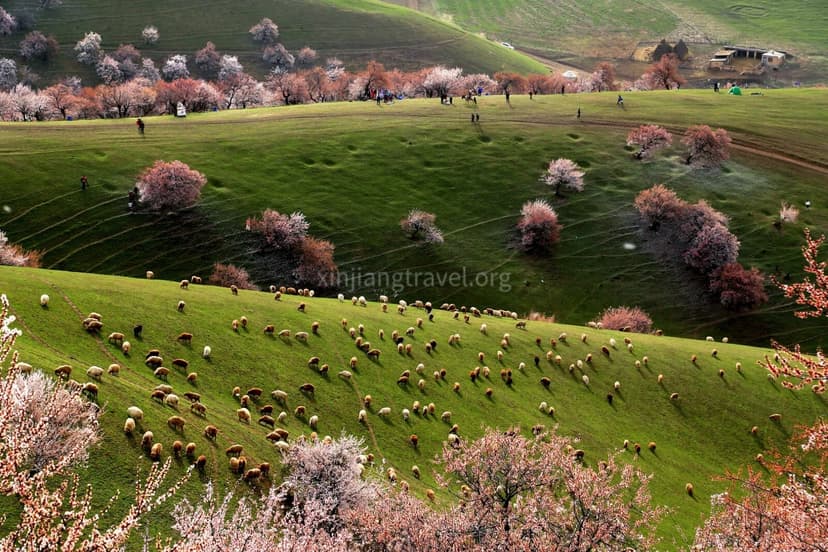
It starts in the far west on the Pamir Plateau, in Tashkurgan Tajik Autonomous County. From late March to early April, temperatures rise from near freezing to between 4°C and 18°C. During this time, the ancient apricot trees bloom, covering the valleys in pink and white for about ten days. Many photographers and visitors come to enjoy this short, beautiful season.
This period also matches the local Shogun Festival (Spring Plowing Festival) celebrated by the Tajik people. You can watch traditional horse games and local gatherings that mark the beginning of the farming year.
As April continues, the warmer weather moves eastward. In the Ili River Valley, daytime temperatures reach about 20°C, and the hillsides fill with wild tulips and apricot blossoms.
By May, temperatures across northern Xinjiang are comfortable, usually between 12°C and 25°C. The grasslands near Nalati start turning fresh green. At the same time, southern cities like Kashgar and Turpan have warm, sunny days with temperatures between 18°C and 30°C — perfect for walking through the old town streets before the summer heat begins.
In a typical year, Xinjiang welcomes more than 2.5 million visitors during spring. The apricot blossom season alone brings tens of thousands of people to the Pamir region.
Recommended Xinjiang Tours in the Best Time
Summer (June – August): Cool Highlands and Desert Bounty
Summer in Xinjiang gives you two very different experiences.
The first is a cool escape from the heat.
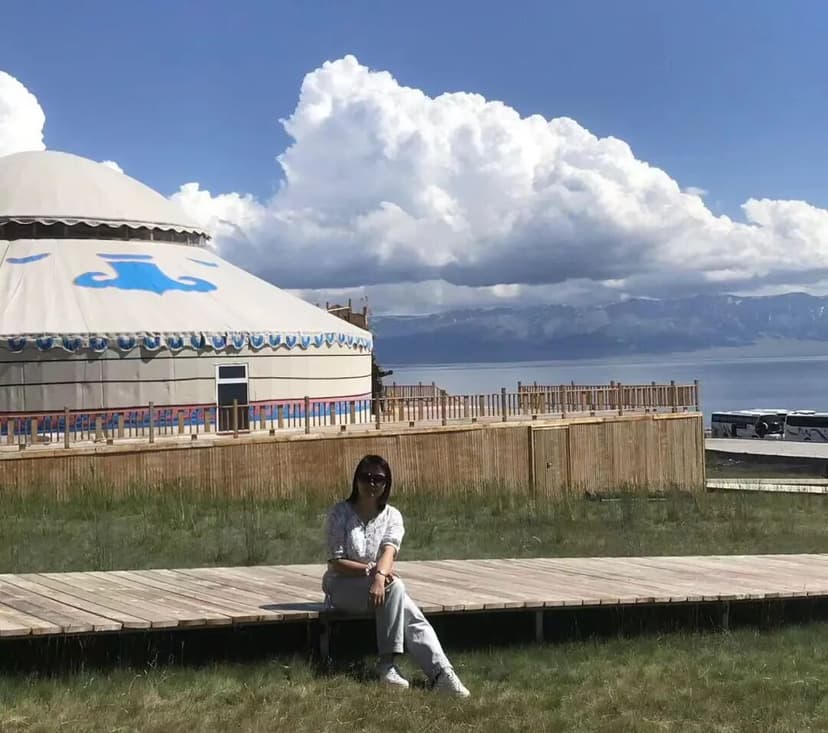
In June, the Tianshan Mountains become a perfect summer retreat. Daytime temperatures in places like Nalati and Sayram Lake are usually between 22°C and 26°C, while nights cool down to around 10°C. The grasslands turn bright green and are full of wildflowers, with snow-capped peaks in the distance. Many visitors stay in traditional felt yurts with Kazakh families, ride horses across the meadows, and enjoy clear, starry evenings.
The second is hot and full of harvest energy.
July brings real heat to the Turpan Depression, often called the "Land of Fire." Daytime temperatures frequently go above 40°C, with nights staying around 28°C. Here you can see the clever ancient Karez underground irrigation system — a network of over 5,000 kilometers of channels that has brought water to this oasis for more than 2,000 years. At the Flaming Mountain, the red sandstone can get so hot that people sometimes demonstrate how to cook an egg in the sand.
By August, the air is filled with the sweet smell of ripe fruit. Turpan is famous for its grapes — it produces more than 1.2 million tons every year, with over 100 different varieties ripening in summer. The Turpan Grape Festival takes place every August and attracts around 200,000 visitors who come for the harvest, local music, and dancing.
Meanwhile, the northern grasslands stay green and fresh, and Sayram Lake (with cool summer water around 12°C) continues to draw people looking for milder weather.
Overall, summer (especially July and August) is the busiest time in Xinjiang. These two months, together with June, make up nearly 40% of the region's annual tourist visits.
Recommended Xinjiang Tours in the Best Time
Autumn (September – October): Gold in the North, Gold in the Desert
If any season comes close to summer in popularity, it's autumn.
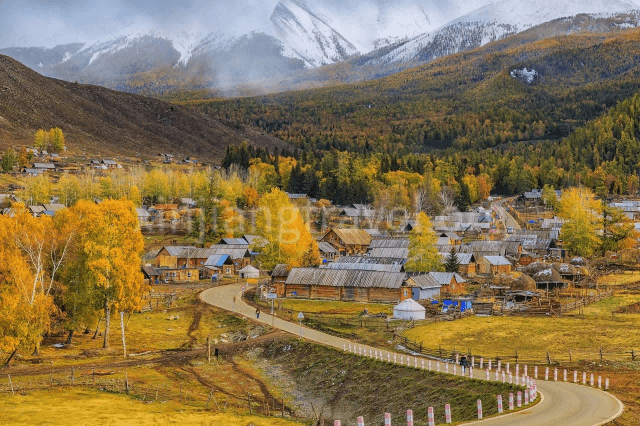
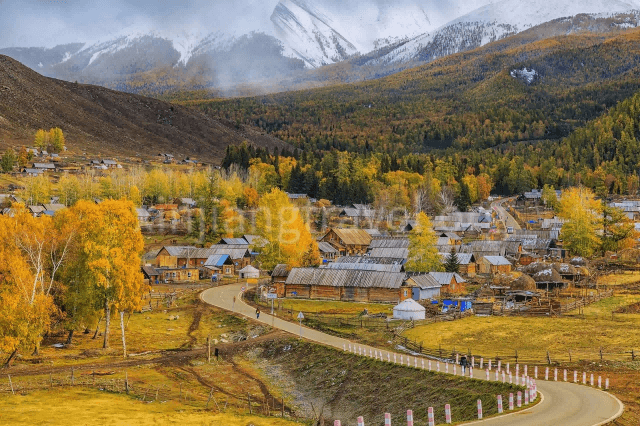
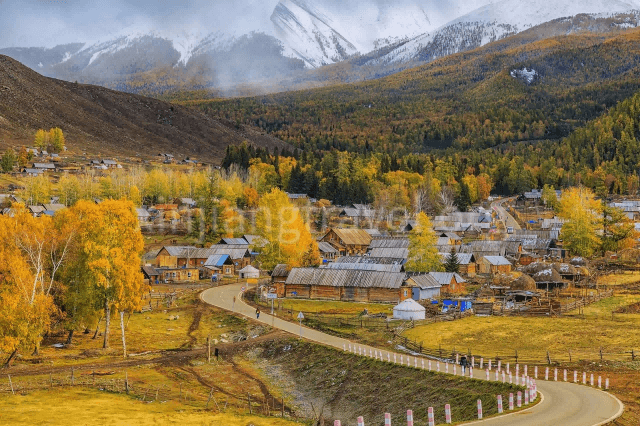
September brings cool, fresh air to northern Xinjiang. Daytime temperatures usually range from 8°C to 22°C. The forests around Kanas Lake and Hemu Village change from green to bright gold and orange. The clear water of Kanas Lake — which can be seen down to 8–10 meters deep — perfectly reflects these autumn colors. September is still busy, but not overcrowded. The area typically welcomes about 1.8 million visitors that month, many of them photographers and nature lovers.
In October, the highlight moves south. Along the Tarim River, especially in Luntai County, the Populus euphratica (desert poplar) forests reach their most beautiful colors from mid-October to early November. Daytime temperatures in southern Xinjiang are usually between 7°C and 24°C — comfortable for walking and exploring.
These ancient trees are very special to local people. They are often called "trees that live for a thousand years, stand for a thousand years after they die, and never decay for another thousand years." Xinjiang has about 1.3 million acres of these forests — one of the largest areas of naturally growing Populus euphratica in the world.
The first week of October includes China's National Day holiday, when many Chinese tourists travel. If you visit after the holiday, you will find fewer crowds and a much more peaceful experience.
Even Nalati Grassland, which turns a warm golden color in autumn, becomes quieter and more beautiful with far fewer visitors than in summer.
Winter (November – February): Snow Sports and Silk Road Silence
Winter is a quiet season in Xinjiang. Starting in November, the number of tourists drops, and you can enjoy a different kind of trip.
In the north, the Altay Mountains get plenty of snow. December daytime temperatures usually stay between -5°C and 0°C, with lows around -15°C to -10°C. This area is known as one of the birthplaces of skiing. Rock paintings in Altay show people skiing more than 10,000 years ago. Today, places like Koktokay Ski Resort offer good skiing from November to March. The area often gets more than two meters of snow each year. The slopes are not crowded — only about 50,000 to 60,000 skiers visit each winter season. Many people come here for the natural terrain and peaceful runs instead of busy commercial resorts.
The real calm of winter shows in the south. From November to February, cities like Kashgar and Hotan have daytime temperatures between 0°C and 10°C. Nights are colder, but short outdoor walks are still comfortable.
This is a great time for relaxed sightseeing. The famous Kashgar Sunday Bazaar still runs as it has for hundreds of years, mostly for local people now. In 2023, Kashgar's old town welcomed over 4 million visitors in total, but winter months make up less than 15% of that number. You can explore without the usual crowds.
Sites like the Kizil Buddhist Caves, the ancient ruins of Jiaohe and Gaochang, and the traditional teahouses in Kashgar feel more peaceful in winter. If you like culture, history, and quiet experiences more than warm weather, winter in Xinjiang is a special choice.

Recommended Xinjiang Tours in the Best Time
Best Time to Visit Xinjiang in January: Powder in the North, Culture in the South
In the north, the ski season continues, with average temperatures in Altay ranging from -14℃ to -4℃. This is a destination for skiers who prefer the experience of a natural, forested mountain to a groomed European-style resort. Meanwhile, in the south, cities like Kashgar are quiet. Kashgar and Turpan see daytime highs of 5℃ to 12℃, with nighttime lows around -3℃ to 2℃. The Sunday Bazaar continues as it has for centuries, but without the summer crowds. This is an excellent time to visit the old town, to sit in a teahouse, and to experience the rhythm of daily life in a Silk Road city before the tourist season begins. For travelers who appreciate winter sports or cultural immersion without the crowds, January is a rewarding choice.
Recommended Xinjiang Tours in the Best Time
Best Time to Visit Xinjiang in February: A month of transition.
February bridges winter and early spring. In the north, the ski season continues, with average temperatures in Altay ranging from -14℃ to -4℃. The landscapes around Kanas and Hemu remain under deep snow, offering a kind of peaceful isolation that appeals to those seeking quiet. In the south, the weather is mild and increasingly pleasant. The harshest cold has passed, but the intense heat of summer is still months away. In the south, conditions grow milder—Kashgar and Turpan see daytime highs of 5℃ to 12℃, with nighttime lows around -3℃ to 2℃. This is a good time to visit the historical sites around Turpan—the ruins of Jiaohe and Gaochang, the Bezklik Thousand Buddha Caves—without the discomfort of extreme temperatures. For travelers who want to avoid both the summer heat and the winter crowds, February offers a comfortable window, especially in the south.
Recommended Xinjiang Tours in the Best Time
Best Time to Visit Xinjiang in March and April: Apricot Blossoms and Arrival of Spring
March and April bring one of Xinjiang's most anticipated events: the apricot blossom season. It begins in late March on the Pamir Plateau around Tashkurgan, where average temperatures climb from 0℃ to 12℃ in March to 6℃ to 18℃ in April. For roughly ten days, ancient apricot trees blanket the valleys in pink and white. This coincides with the Tajik Shogun Festival (Spring Plowing Festival), drawing several thousand visitors who come for traditional horse games and community gatherings. As April progresses, the bloom moves to the Ili Valley, where temperatures reach 8℃ to 20℃. The season attracts an estimated 150,000 to 200,000 visitors annually, though peak bloom lasts only one to two weeks.
Recommended Xinjiang Tours in the Best Time
9-Day Xinjiang Spring Tour: Apricot Blossom in Yili & Grasslands
7 Days Kashgar and Taxkorgan Tour with Datong Apricot Village
Best Time to Visit Xinjiang in May: The Month of Comfortable Weather
May is one of the most comfortable months to travel across Xinjiang. Average temperatures range from 12℃ to 25℃, with low humidity and minimal rainfall. In the Ili Valley, the lavender fields near Huocheng—covering over 50,000 acres—begin to bloom, attracting an estimated 500,000 visitors during the season. The grasslands, including Nalati, are lush and green by mid-May; Nalati receives over 1.5 million visitors annually, with May marking the beginning of peak season. In the south, Kashgar and Turpan enjoy daytime highs of 25℃ to 30℃—warm but not yet oppressive. For travelers seeking to experience both northern grasslands and southern Silk Road cities in one trip, May is one of the best choices.
Recommended Xinjiang Tours in the Best Time
Best Time to Visit Xinjiang in June: The Peak of the Northern Grasslands
Places like Nalati, Sayram Lake, and the Gongnaisi Grassland are at their most lush and photogenic. Average temperatures range from 15℃ to 25℃ during the day, dropping to 8℃ to 12℃ at night. The weather is ideal—warm, sunny days with cool nights, offering a perfect escape from the heat beginning to build in other parts of China. This is the best time for a nomadic experience: staying in a felt yurt with a Kazakh family, horseback riding across the meadows, and enjoying the expansive, open landscapes. The famous "Sky Grassland" at Nalati is a highlight, offering sweeping views of flower-strewn pastures against snow-capped peaks. June is also a good time to visit the Ili Valley before the peak summer crowds arrive. For nature lovers and those seeking a cool, scenic summer retreat, June in northern Xinjiang is hard to surpass.
Recommended Xinjiang Tours in the Best Time
Best Time to Visit Xinjiang in July: The Land of Fire
Temperatures in Turpan often go above 40°C, making it one of the hottest places in China. Daytime highs regularly reach 40°C, and on the hottest days they can climb to 45°C or more. Nights stay warm, with lows around 28°C. The ancient Karez irrigation system has kept Turpan's oases alive for more than 2,000 years. This network of underground channels stretches over 5,000 kilometers across Xinjiang. Today, more than 1,000 Karez wells are still in use. Inside the tunnels, the temperature stays cool and comfortable at 15°C to 20°C. At the Flaming Mountain, the surface can get hotter than 70°C. Many visitors enjoy the fun demonstration of baking an egg in the hot sand — it usually takes about 15 to 20 minutes. In July, Turpan welcomes around 300,000 to 400,000 visitors who come to experience this extreme heat. At the same time, the northern grasslands offer a much cooler escape, with daytime temperatures between 22°C and 26°C.
Recommended Xinjiang Tours in the Best Time
Best Time to Visit Xinjiang in August: The harvest Month
In Turpan, over 100 varieties of grapes become perfectly sweet in August. The Turpan Grape Festival is held every August. It celebrates the harvest with local music, dancing, and plenty of grape tastings. The famous Hami melons are also at their sweetest this month. July and August are still very hot, but the reward is the region's freshest and best fruit. In the north, the grasslands stay green and beautiful, and alpine lakes like Sayram Lake are great for relaxing day trips. For travelers who love food, August is one of the best times to visit Xinjiang. You can enjoy the taste of sun-ripened fruit and experience the lively atmosphere of the local harvest celebrations.
Recommended Xinjiang Tours in the Best Time
Best Time to Visit Xinjiang in September: The Photographer's Month
The golden month for northern Xinjiang. In the north, average temperatures range from 8℃ to 22℃, with clear skies. This is the peak season for viewing the autumn colors. The birch and larch forests around Kanas Lake and Hemu Village turn brilliant shades of yellow, orange, and red. The weather is perfect—crisp, cool, and sunny. The Duku Highway is still open for most of the month, offering a stunning journey through changing autumn landscapes. In the south, daytime highs in Kashgar and Turpan average 25℃ to 30℃, which is comfortable before October crowds arrive. For travelers seeking a balance of comfortable weather and stunning scenery, September delivers consistently.
Recommended Xinjiang Tours in the Best Time
Best Time to Visit Xinjiang in October: The Populus Euphratica Month
The Populus euphratica forests of southern Xinjiang define October. Average October temperatures range from 7℃ to 24℃. Along the Tarim River, particularly in areas like Luntai, these ancient desert poplars turn a brilliant, luminous gold. Against the backdrop of the Taklamakan Desert, this is one of China's most striking natural landscapes. The best viewing period is typically mid-to-late October. The first week of the month includes the National Day holiday, which brings domestic crowds. Travelers who can visit after the holiday will find far fewer people and a more serene experience. In the north, the grasslands have turned a deep, burnished gold, offering a different kind of beauty—more somber but equally powerful. For landscape photographers and those seeking dramatic, iconic autumn scenery, October in Xinjiang is essential.
Recommended Xinjiang Tours in the Best Time
Best Time to Visit Xinjiang in November: The Cultural Traveler's Month
The autumn crowds are gone. November marks the beginning of Xinjiang's low season. In southern Xinjiang, average temperatures range from 2℃ to 15℃, which is comfortable for exploration. In southern Xinjiang, the weather remains mild and comfortable, ideal for exploring historical sites. This is the perfect time to spend unhurried days in Kashgar, to walk the ruins of ancient Silk Road cities like Jiaohe and Gaochang, and to visit the Buddhist caves at Kizil without the distraction of crowds. The famous Sunday Bazaar in Kashgar continues, but it feels more authentic, serving the local community rather than tourists. In the north, the first snows are beginning to dust the mountains, and ski resorts are preparing for the season. For travelers whose primary interest is history, culture, and a deeper, quieter connection with the region, November offers a rare opportunity.
Recommended Xinjiang Tours in the Best Time
Best Time to Visit Xinjiang in December: Snow Sports and Silk Road Solitude
December offers two different experiences in Xinjiang. In the north, the ski season is already active. The Altay region, considered one of the birthplaces of human skiing, offers resorts like Keketuohai with excellent powder and uncrowded slopes. December average temperatures in Altay range from -12℃ to -4℃, attracting roughly 15,000 to 20,000 skiers who value uncrowded terrain. In the south, December brings mild winter weather. Daytime highs in Kashgar usually reach 5℃ to 8℃, while nights drop to around -4℃ to 0℃. The cities feel quiet and peaceful. This is a great time to explore the old town’s narrow alleyways without the summer heat or big crowds. You can relax in a traditional teahouse, watch everyday local life, and enjoy the Silk Road culture at a relaxed pace. For travelers who like winter sports or cultural experiences without crowds, December is a great month to visit Xinjiang.
Recommended Xinjiang Tours in the Best Time
The best of Xinjiang reveals itself when you travel to the right place at the right time.
For general sightseeing tours across Xinjiang, the ideal windows are April to May and September to October, when temperatures are comfortable, and rainfall is minimal. During these months, the landscapes—from the apricot blossoms of the Pamir Plateau to the golden Populus euphratica forests along the Tarim River—are at their most accessible and visually striking.
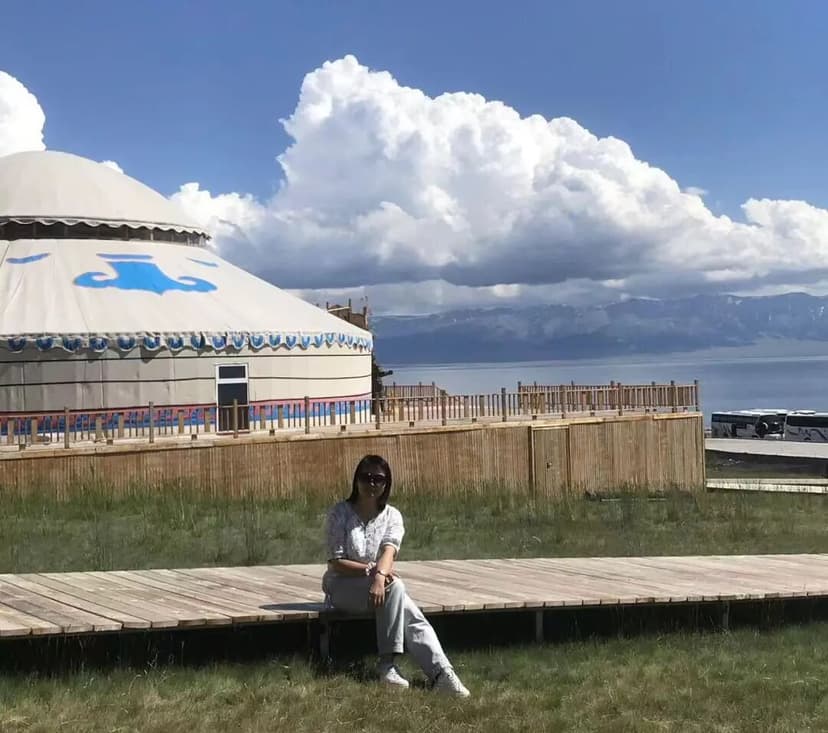
Summer is the peak season for travel in Xinjiang, as summer holidays bring families and adventurers alike. While daytime temperatures in places like Turpan can soar, the northern grasslands—Nalati, Sayram Lake, and the Ili Valley—offer cool escapes with lush green pastures, clear blue skies, and long, sunlit evenings. Summer is also the best time to experience local festivals, such as the Turpan Grape Festival, when the region's famous fruits are at their sweetest.
Winter is far from a closed season. In the north, the Altay Mountains transform into a world-class skiing destination with uncrowded slopes and pristine powder. In the south, cities like Kashgar and Turpan remain mild enough for comfortable exploration, offering a quieter, more intimate experience of Silk Road history and culture—often at lower travel costs and without the crowds.
Now that you have a clearer sense of when to visit Xinjiang, we invite you to reach out for more personalized advice on crafting a journey that suits your interests. With over a decade of experience organizing customized tours across Xinjiang, we are ready to work with you to create your perfect travel experience.

Yining - Sayram Lake - Naraty - Zhaosu - Qiongkushitai - Kalajun
Join in our north Xinjiang group tour to travel through beautiful snow mountains, grasslands and crystal-like lakes. Sayram Lake, Naraty Grassland, Xiata Grassland and Kalajun Grassland. You will also enjoy a trekking tour in the fairyland Qiongkushitai and feel the exotic atmosphere in Yining city.

Yining - Xinyuan - Naraty Gongliu - Daxigou Valley - Qingshuihe - Kuitun - Urumqi
Join in our Xinjiang apricot blossom in Spring. In Yili, go to Tuergen village and Daxigou valley, immerse yourself in the ocean of apricot flowers. Then go to Yining city to experience the exotic Liuxing Street. Visiting Naraty and Kalajun grassland is also enjoyable in spring!

Altay - Keketuohai - Burqin - Kanas - Hemu
Book a 10-day winter skiing tour to Kanas, Hemu, Altay, Xinjiang, China. Spend 10 days in northern Xinjiang, visit the well-known Kanas Nature Reserve and Hemu village. Try the newly-built 4300-square-meter ski equipment hall in Keketuohai. It's a wonderful tour to Altay Prefecture.